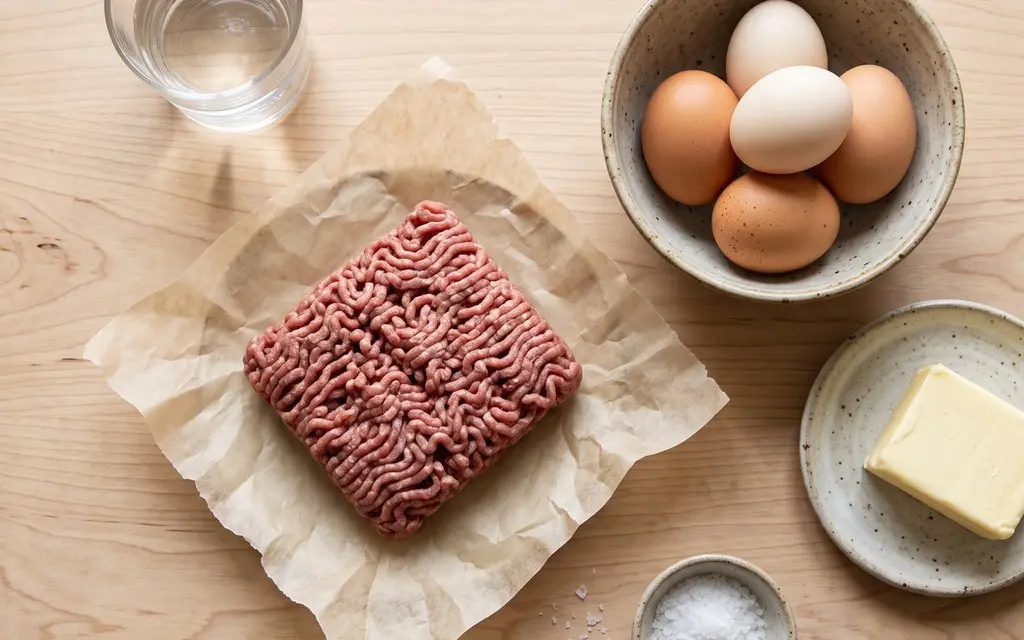
1. A Short, Simple Food List
Phase 1 starts with a handful of everyday animal-based foods — beef, eggs, butter and salt — so there's no guesswork about what to eat or buy.






A 3-phase, animal-based eating program for adults living with Crohn’s disease or ulcerative colitis — with simple meal plans, grocery lists, a symptom journal and a supportive community. Designed to be followed alongside your regular medical care, not instead of it.
The Program
A clear structure for the part of life with IBD that happens in your kitchen.
Phase 1 starts with a handful of everyday animal-based foods — beef, eggs, butter and salt — so there's no guesswork about what to eat or buy.
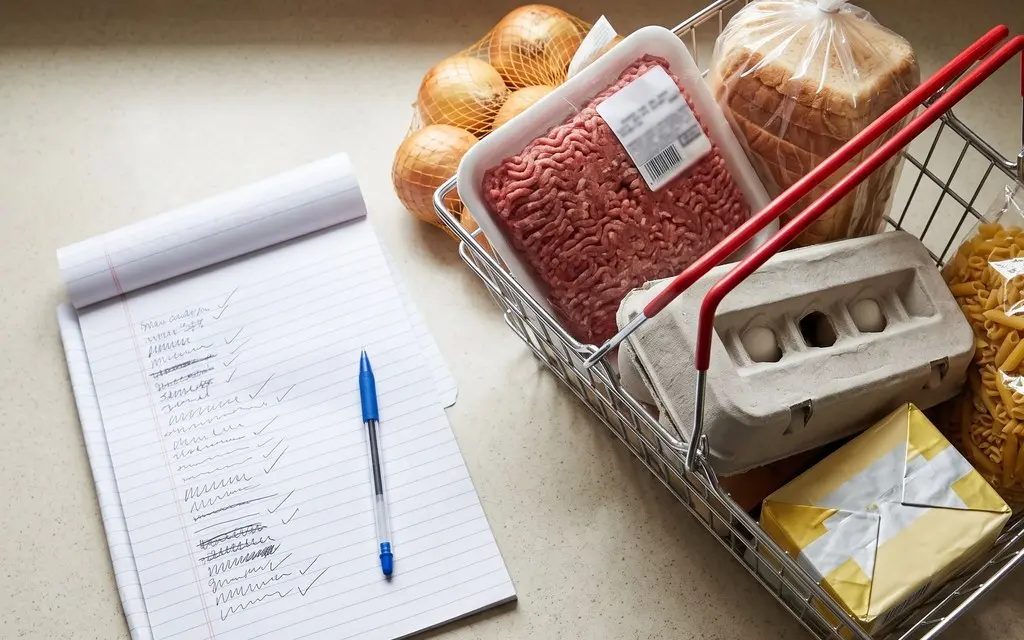
Built around affordable cuts like 80/20 ground beef and chuck roast that you'll find at any grocery store. No specialty products or supplements required.

Track what you eat, how you feel, your energy and your sleep. Clear notes make it easier to spot patterns — and to talk things through with your doctor.

Ask questions about the program, recipes and routines on a live video session every week. Sessions are educational and don't replace individual medical care.

Simple orders for steakhouses, burger places and family gatherings, so you can join in without having to explain your plate.

In Phase 3, you bring foods back one at a time and note how you feel, building your own list of foods that work for you.
*Individual experiences vary. The program is educational and does not replace medical care. Never adjust prescription medication without your doctor.
🛡️ 30-Day Money-Back Guarantee · Educational program, not medical care
If you live with Crohn's disease or ulcerative colitis, you may know the early mornings: waking before dawn with cramping and urgency, and planning your whole day around where the nearest restroom is.
Maybe you've memorized which stores on your commute have a restroom. Maybe you've skipped dinners, trips and family events because you weren't sure how your stomach would react.
And maybe, like many people, you've tried diet after diet — SCD, AIP, low-FODMAP, smoothies and salads — and still don't feel sure what to eat.


General healthy-eating advice often emphasizes raw salads, whole grains and smoothies. But many people with IBD find high-fiber foods harder to tolerate during flares — and GI doctors and dietitians often suggest lower-fiber eating at those times.
If you've spent a lot of time and money on supplements, powders and elimination diets without finding a routine that works for you, you're not alone. Food and IBD is personal, and no single approach works for everyone.
The Ceasefire Protocol takes a simple approach: start with a very short list of easy, very-low-fiber animal-based foods, keep a daily journal of how you feel, then reintroduce foods one at a time.
It doesn't replace your medication or your gastroenterologist. It's a structured way to handle the part of IBD that happens in your kitchen, three times a day.
The goal: fewer food decisions, clearer notes on what works for you, and more confidence at the table.
The program is built around three steps: simplify what you eat, build a routine you can keep, then reintroduce foods one at a time while tracking how you feel. Any decision about medication or treatment stays between you and your own doctor.
🛡️ 30-Day Money-Back Guarantee · Educational program, not medical care
Most people with IBD have been told “watch what you eat” without being told how. The Ceasefire Protocol gives you a structure:
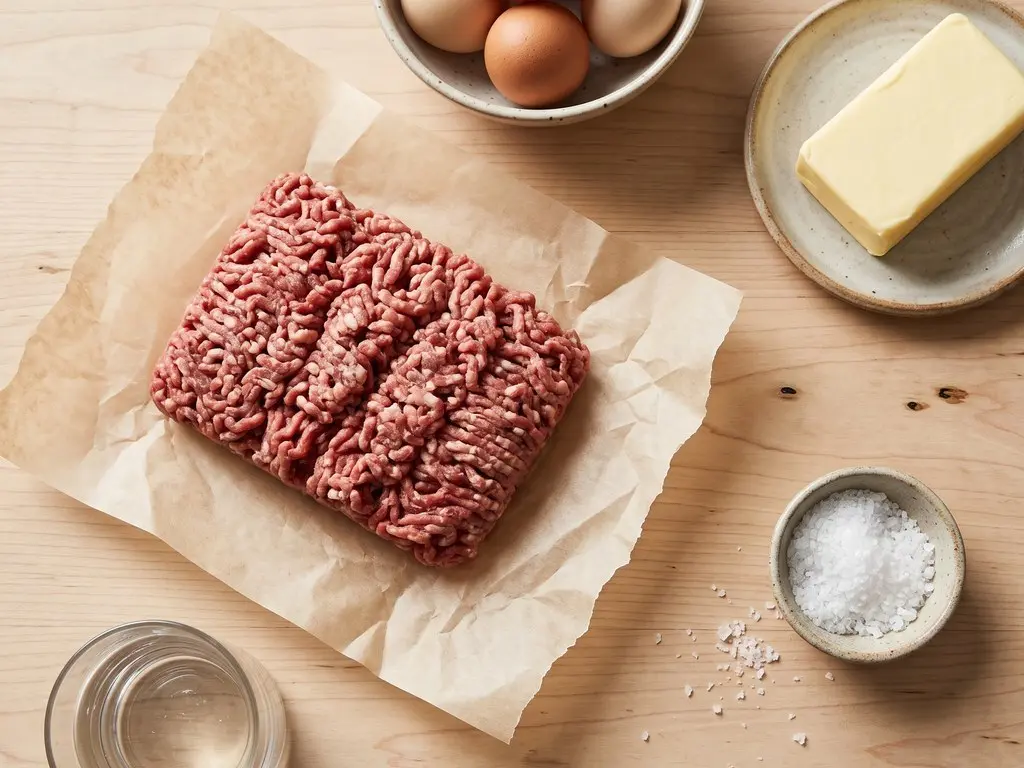
Phase 1 uses foods with almost no fiber — meat, eggs and butter. Lower-fiber eating is a common short-term approach during flares, and many people find a short, simple food list easier to stick with.
Ask your doctor whether this approach is appropriate for you before you start.
Staying on a very narrow diet forever isn't the goal. In Phase 3, you reintroduce foods one at a time and note how you feel, so you can build your own list of foods that work for you.
Some members notice changes they like early on; others take longer, and some decide this approach isn't for them. That's why you can cancel anytime and get a full refund within 30 days.
Your gastroenterologist manages your treatment. The Ceasefire Protocol helps with the everyday part: what to buy, what to cook, and how to keep track of how you feel.
Your journal is organized so you can bring clear, simple notes to your appointments and talk things through with your doctor.
That's the role of The Ceasefire Protocol: a practical companion, not a replacement for care.
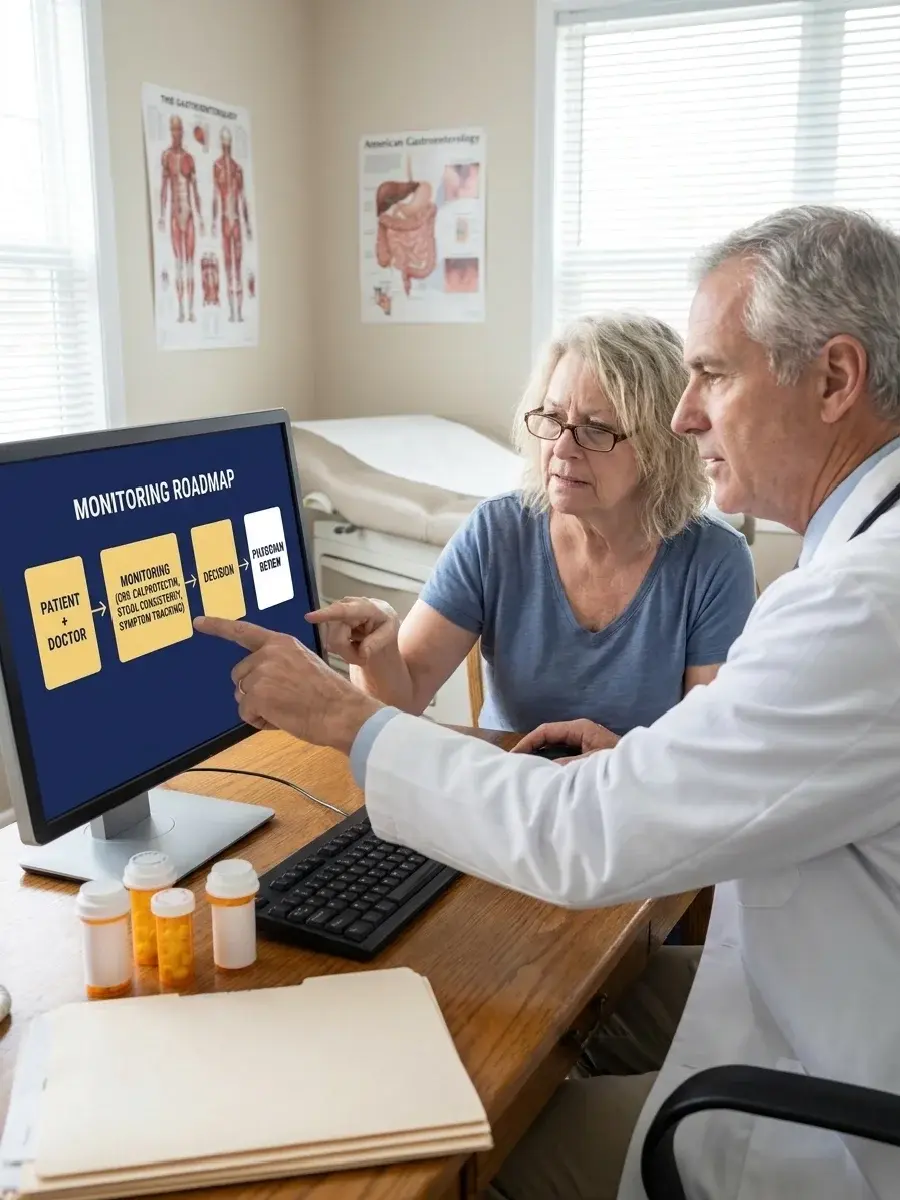
Join a weekly live video session [À REMPLACER : animée par NOM, MD — uniquement si vrai] to ask questions about the program, recipes and routines. Sessions are educational and don't replace individual medical advice, diagnosis or treatment.

Everything you need to follow the program day to day.

Step-by-step guidance for each phase: grocery lists, simple daily menus, meal timing and easy preparation — built around affordable, everyday foods.
Clear daily menus · No guesswork

Every week, join a live video session [À REMPLACER : animée par NOM, MD — uniquement si vrai] to ask questions about the program, recipes, eating out and staying on track.
Educational sessions · Not individual medical advice
A simple daily journal for meals, symptoms, energy and sleep — organized so it's easy to review and share with your doctor at your next appointment.
Spot your patterns · Bring clear notes to your appointments

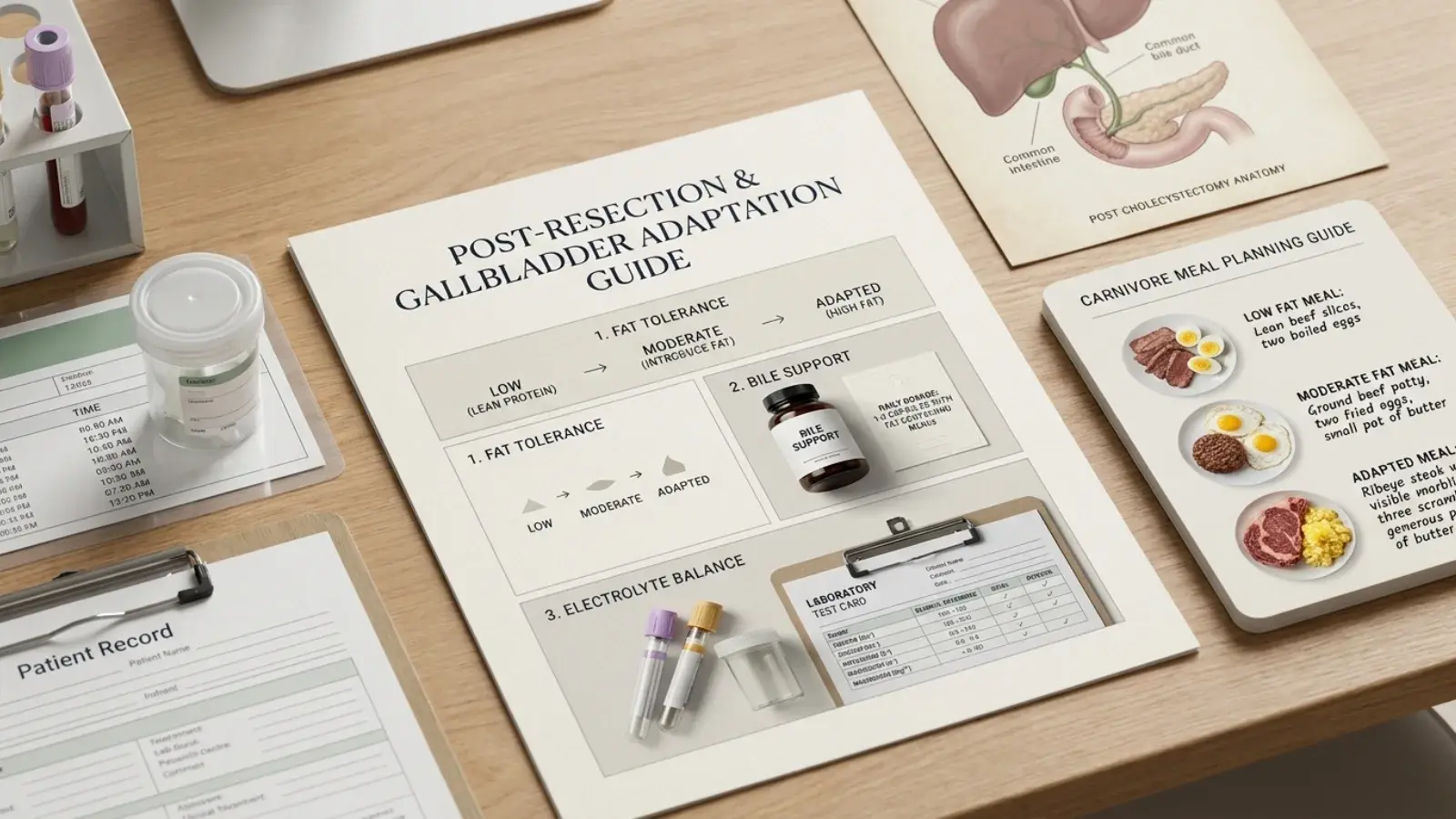
Guidance on introducing fats gradually and spacing meals for members without a gallbladder or who have had bowel surgery — to review with your doctor before you start.
Go at your own pace · Check with your doctor first
🛡️ 30-Day Money-Back Guarantee · Educational program, not medical care
The Comparison
A side-by-side look at program features. This is not a comparison with medical treatment.



*Comparison of program features only. The Ceasefire Protocol is an educational program and does not replace medication, medical treatment or surgery when your doctor recommends them.
🛡️ 30-Day Money-Back Guarantee · Educational program, not medical care
The Evidence
We'd rather you make an informed choice. Here's what is — and isn't — known.
Any restrictive eating pattern needs planning. Your doctor may want to check your cholesterol, kidney function and nutrient levels along the way. Individual experiences vary.
🛡️ 30-Day Money-Back Guarantee · Educational program, not medical care
Here's what you'll do inside the program, step by step. How you feel along the way is personal and varies from member to member.
Use the Phase 1 grocery list to stock up on a few simple foods and make your first easy meals.
Write down what you eat and how you feel each day. It only takes a couple of minutes.
Some people feel tired in the first days of a big diet change. The guide covers fluids and salt — check with your doctor first if you have heart or kidney conditions.
Settle into a few go-to meals so you're not making food decisions all day.
Bring your questions about the program, recipes and routines to the weekly live session.
Your journal starts showing which meals and routines feel easiest for you.
Look back at your first month of journal entries and see what you've learned about yourself.
Bring your notes to your next appointment so you and your doctor can talk things through.
Use the dining-out guide for restaurants, family dinners and get-togethers.
Add variety with new recipes and cooking methods.
Plan ahead for trips, holidays and gatherings.
Keep taking your medication as prescribed. Any change is a decision for you and your doctor.
Bring foods back gradually and note how you feel after each one.
Build a list of foods that work for you, to keep using after the program.
Keep going, adjust, or stop — it's your choice, and you can cancel anytime.
The program is designed around 90 days, which is why the Quarterly Plan covers all three phases at a lower monthly price.
🛡️ 30-Day Money-Back Guarantee · Educational program, not medical care
Get the 3-phase eating guide, the weekly live group Q&A, the journal and the member community — alongside the care you already have.
You got questions. We got answers.
Those approaches still include many plant foods. Phase 1 of The Ceasefire Protocol starts with a very short list of animal-based, very-low-fiber foods, then reintroduces foods one at a time. It's a different structure — not a proven treatment — and it isn't right for everyone. Talk with your doctor about whether it's appropriate for you.
It's a fair question. Research on saturated fat and heart health is still debated, and people respond differently. If you have heart disease, high cholesterol or other risk factors, talk to your doctor before starting, and ask whether you should check your cholesterol and other labs along the way.
No. Please don't stop, reduce or change any medication on your own. The program is followed alongside your current treatment, and any decision about your medication is between you and your doctor.
Many members without a gallbladder use our guide to introduce fats gradually and space their meals. If you've had bowel surgery or have strictures, talk to your doctor first — this approach may not be appropriate for everyone.
Everyone is different. Some members notice changes they like within the first weeks, others take longer, and some find this approach isn't for them. The program is built around 90 days so you have time to try it, track how you feel and decide.
No. Phases 1 and 2 use a short, simple food list. In Phase 3, you reintroduce foods one at a time and note how you feel, so you can identify the foods that work for you and eat as broadly as you comfortably can.
Both plans include the full eating guide, the weekly live group Q&A, the journal and the member community. The Quarterly Plan is billed $117 every 3 months ($39/mo) instead of $49/mo, and covers all three phases of the program.
Every membership comes with a 30-day money-back guarantee. If the program isn't right for you for any reason, cancel in your dashboard or email support within 30 days of your first payment for a full refund.
Please speak with your doctor first — and in some cases this approach may not be appropriate — if you are in a severe flare, have significant bleeding, fever or weight loss, have recently been hospitalized, have kidney disease, heart disease or high cholesterol, take insulin or other diabetes medication, have strictures or have had bowel surgery, are pregnant or breastfeeding, or have a history of disordered eating.